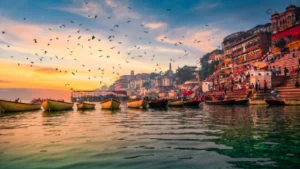
Hi, I am Suhana, and I am sharing my experience of my first trip to Banaras. It felt like nothing is more beautiful than Banaras. Once you visit Banaras, you never forget this place for the rest of your life.
places that you should visit in banaras
-
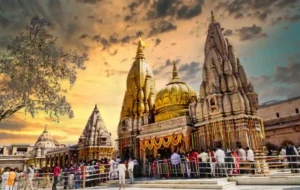
Kashi Vishvanaath mandir
Kashi Vishwanath Temple is a Hindu temple dedicated to Shiva. It is located in Vishwanath Gali, in Varanasi, Uttar Pradesh, India. The temple is a Hindu pilgrimage site and is one of the twelve Jyotirlinga shrines. The presiding deity is known by the names Vishwanath and Vishweshwara
-
manikarnika ghat
Manikarnika Ghat (Hindi: मणिकर्णिका घाट) is one of the oldest and sacred ghats on the banks of the River Ganges, in the city of Varanasi in the Indian state of Uttar Pradesh. It is included in the 84 ghats of Varanasi.
It is widely known as a Varanasi’s principal cremation ground (Maha-Smashaan), while also serving as a sacred pilgrimage site (Maha-Tirth) for performing Hindu rituals and ceremonies. In Hinduism it is believed that a human’s soul attains moksha when cremated here.

-
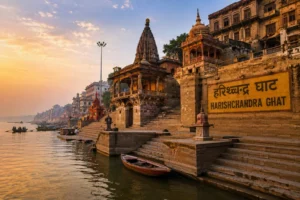
raja Harishchandra ghat
-
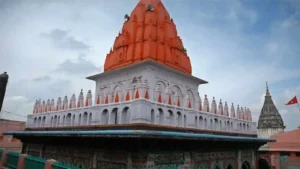
hanuman mandir
The temple was founded by the poet-saint Tulsidas, author of the Ramcharitmanas, on the site where he is believed to have had a vision of Hanuman.[2] According to tradition, Tulsidas composed a substantial portion of the epic at this shrine.[3] The temple attracts thousands of worshippers, particularly on Tuesdays and Saturdays, days considered auspicious for Hanuman. In Hindu astrology, Hanuman is believed to protect devotees from the malefic influences of planets, particularly Shani (Saturn) and Mangala (Mars); consequently, many pilgrims visit the temple seeking astrological remedie
-
kal bherav mandir
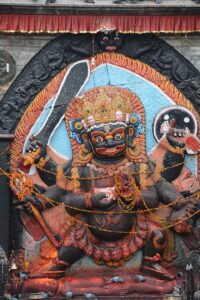
Kaal Bhairav Mandir (Hindi: काल भैरव मंदिर) is one of the oldest Shiva temples in Varanasi, India. Situated in Bharonath, Vishweshwarganj (Varanasi), this temple has great historical and cultural importance in Hinduism; especially amongst the locals. The temple is dedicated to Bhairava (Kaal Bhairav), a fierce form of Shiva and wears a garland of skulls and carries a club of peacock feathers. The word “Kaal” means both “death” and “time”. Kaal Bhairav also means the one who removes the fear of both death and time. It is believed that even death is afraid of Kaal Bhairav.
A normal day here runs like this. Before sunrise, the Subah-e-Banaras programme with chanting, aarti, classical music and yoga. Through the morning, pilgrims bathing and boats going out. Afternoons are quiet. From evening, the crowd builds again for the Ganga Aarti, and afterwards people stay on the steps for hours.
For a first visit, come at dawn. It is the hour that explains why people love this ghat